 Cloud 9 · dental

FOR DENTAL PRACTICES · THE CHART BASE, WORKED · EN ⇄ ES
Operatory 3 is open at 2:15. The crown that should be in it was diagnosed in March.
Every practice is sitting on its own growth market: treatment presented and never scheduled, hygiene recall quietly lapsing, patients who drifted after one missed visit. Cloud 9 works that chart base every day — follows the unscheduled crown to a booking, runs recall until it books, refills the 2:15 gap — and answers every new-patient call at lunch, at 5:40, and on Friday, when your building can’t. Fourteen jobs. Clinical care stays with you.
$1,497/mo — front desk + marketing, everything included. First month today · no setup fee · cancel anytime.
Your biggest growth market is your own filing cabinet.
Ask any practice consultant where the money is and they’ll point at the charts: findings presented and never scheduled, “watch” teeth that became urgent while nobody called, recall that lapsed one busy spring and never came back. None of it needs a single new patient — it needs somebody with time to work the list. That’s the job this desk does every day, politely, in your name.
- The unscheduled plan. Followed with the day-two text, the financing question answered, the “mornings or afternoons?” close — until it books or the patient says stop. Follow-up →
- The recall that lapsed. Six-month hygiene worked as a cadence, not a postcard — and the 18-months-gone get the warmer win-back. Win-back → Email & text →
- The reminder that holds. Confirmations and day-of nudges that cut no-shows; deposits by text where you want them. Booking → Deposits →
The chair costs the same with nobody in it.
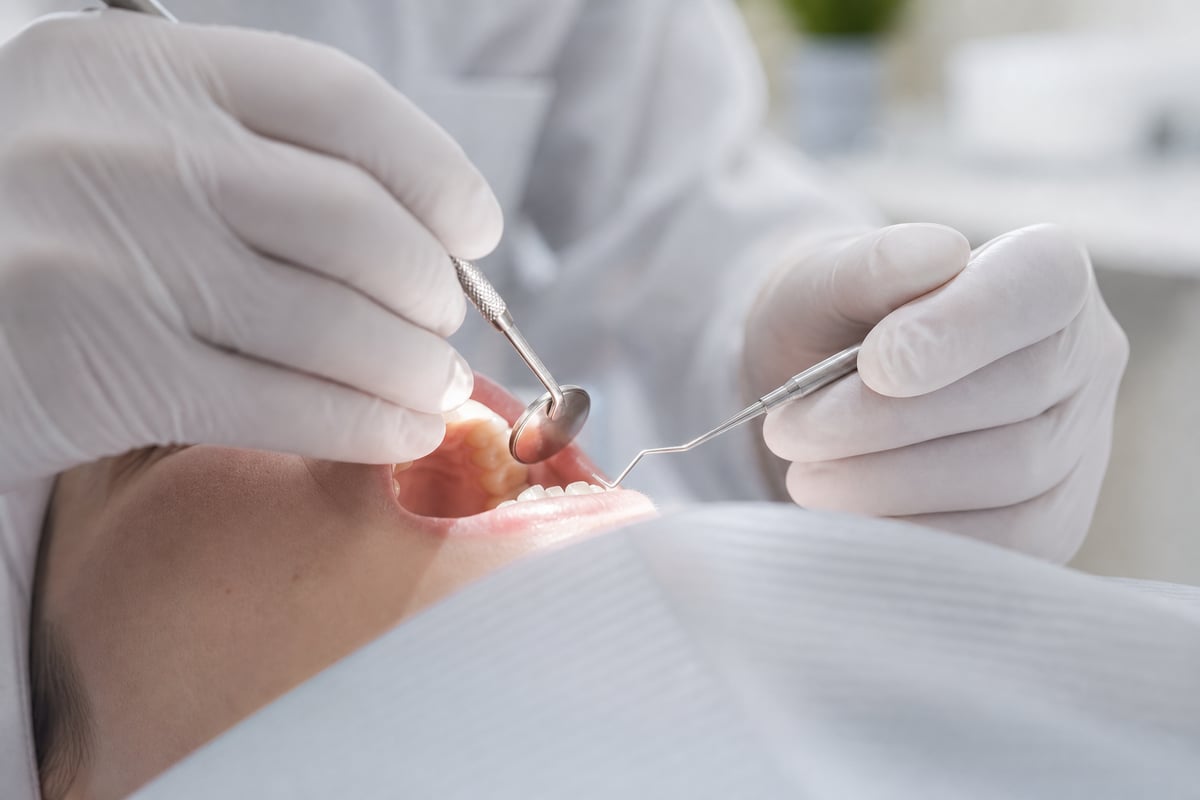
A 9:40 cancellation used to mean a dark operatory at 2:15 — overhead running, hygienist idle, production gone for good. Now the slot goes to work the moment it opens: the short-notice list gets the text, the “anything sooner?” patients get first shot, and if a diagnosed-but-unscheduled case fits the block, that call gets made too.
TODAY · OPERATORY 3 · AFTERNOON
New patients call at lunch, at 5:40, and on Friday.
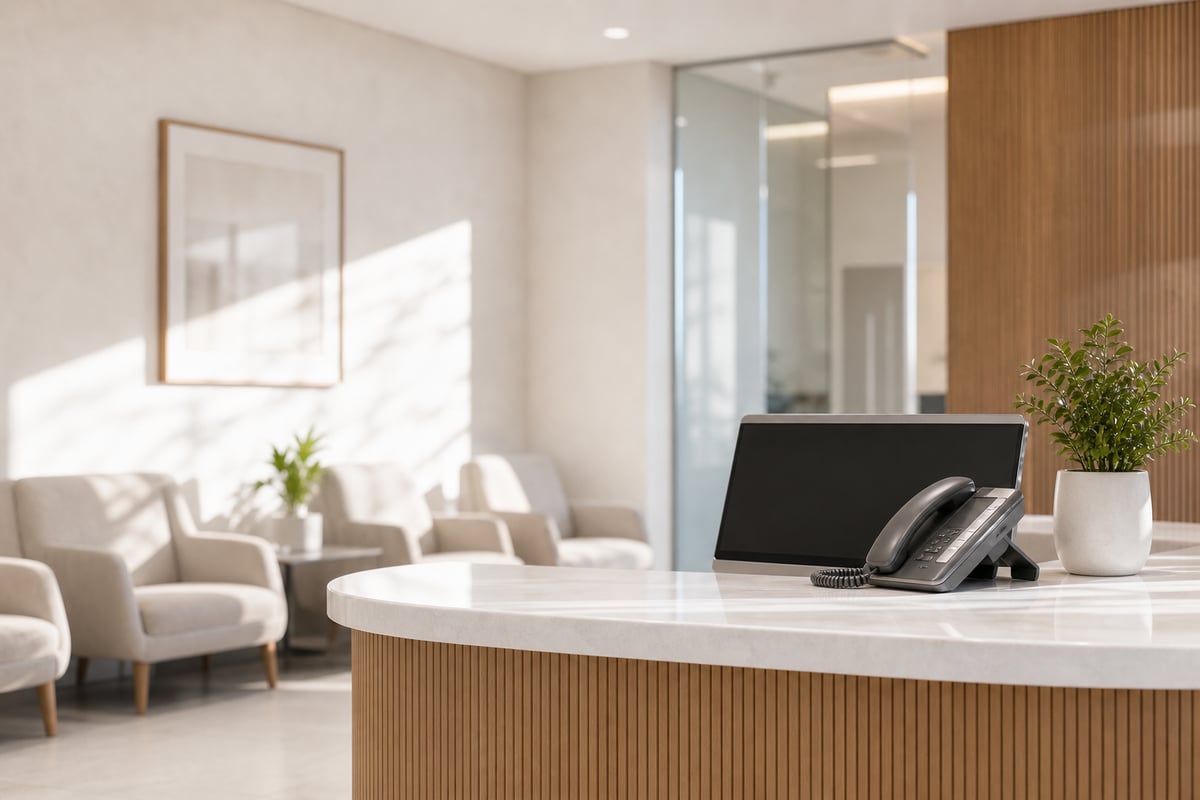
Your hands are in a patient’s mouth; the building closes at five; Fridays are short. None of that is a flaw — it’s dentistry. But the new patient with the throbbing tooth books whoever answers, and the practice that answers every hour collects the patients the others’ hours turn away. Every call, text, and DM: answered in seconds, booked onto your schedule, in English or Spanish — with your protocol deciding what counts as urgent.
The front desk → EN ⇄ ES → Nothing rings out →
And the screen they check first: ~98% of people read reviews for local businesses, and 88% would pick a business that replies to its reviews — versus 47% for one that ignores them (BrightLocal Local Consumer Review Survey, 2024). Reviews asked of every patient, never gated, every one answered — plus the pages, profile and listings that win “dentist near me.” Reviews → Local SEO → Websites → Listings → Ads at cost → Social →
You present treatment plans all day. Here’s the one we’d present to you.
Fourteen procedures, one visit, one fee — because the chart base, the phones, and the search results are one case, not three referrals.
First month today · no setup fee · month-to-month · cancel anytime · ad budget at cost · rate locked from day one · live in ~4 days, texting from your number once carrier registration clears
Read any procedure before you accept it: front desk · bilingual · booking · text-back · follow-up · deposits · win-back · reviews · local SEO · websites · listings · social · ads · email & text — or see the whole machine and the one price.
What dentists ask before they say yes.
Q.Patients say “I’ll call to schedule” after I present treatment. They don’t. Can this change that?
A.That sentence is where most practices’ biggest pile of money goes to sleep. Every presented-but-unscheduled plan gets a steady, polite cadence — the check-in text, the “mornings or afternoons?” nudge, the reminder before the finding gets worse and the estimate gets bigger — in your practice’s voice, on the record. Velocify read ~3.5M leads and found 93% of the ones that convert are reached by the sixth attempt; almost no front desk has time to make six. This one has nothing but time.
Q.My front desk is excellent. She just can’t answer at lunch, at 5:40, or on Friday.
A.Exactly the hours this desk exists for. New patients call when their day allows — lunch breaks, after work, Friday afternoons when many offices go dark — and they book whoever picks up. Every call, text, and web request gets answered in seconds, around the clock, and your team walks in Monday to booked appointments instead of voicemails. Your people stay the face of the practice; this catches what the building’s hours can’t.
Q.Will it ever give dental advice?
A.Never. It books, reminds, follows up, and answers practical questions — hours, location, what insurance you take, what to expect at a first visit. Anything clinical — symptoms, diagnoses, treatment questions, “does this need a root canal” — is routed straight to your team in your protocol’s words. Clinical care and treatment plans stay with the dentist, full stop.
Q.We already send recall reminders.
A.Sending isn’t the same as working. A reminder that gets ignored ends the story for most offices; here it’s the first touch, not the last. Overdue hygiene patients get followed until they book or say stop, the 18-months-gone get a warmer win-back, rescheduling happens in the same conversation, and the ones who moved away get retired from the list. Recall is a workflow, not a postcard.
Q.A cancellation at 9:40 leaves a hole at 2:15. What happens?
A.The cancellation call lands at this same desk — so the moment the slot opens, it goes to work: the short-notice list gets the offer, the patients who asked for “anything sooner” get first shot, and an unscheduled-treatment patient who fits the block gets the call. The chair costs you the same whether someone is in it or not — refilling it is a same-morning job, not a next-week one.
Q.¿Atiende a los pacientes que llaman en español?
A.Completamente — la llamada entera, la cita, los recordatorios y el seguimiento, en el idioma en que llegue el paciente, cambiando a mitad de frase si contesta otro miembro de la familia. En San Antonio, la práctica que agenda en los dos idiomas llena sillones que las demás ni ven.
Q.Who sees my patients’ conversations?
A.You do — and that’s the point. Every call transcript and text thread belongs to your practice: readable by you anytime, used for nothing except your own scheduling and follow-up, never sold, never shared, never used to market anything but your practice. It’s handled with the discretion a clinical front office requires.
Q.What does it cost, all in?
A.One flat fee: $1,497 a month for all fourteen jobs — the front desk and the marketing together. Billed annually it’s $998 a month ($11,976 for the year — four months free). First month today, no setup fee, month-to-month, cancel anytime, ad budget at cost. Your rate is locked from the day you start while the list price rises behind you.
TO: THE PRACTICE, RE: ITS OWN SIX-MONTH CHECK
Our records show your practice is overdue for the visit it gives everyone else.
The exam findings are in: 37% of the largest firms already run AI, against fewer than 20% of the smallest (U.S. Census Bureau, 2026) — and health care is one of the sectors furthest behind the leaders (Federal Reserve, 2026). Early treatment is cheaper than the crown. The practices that put a desk on their chart base this year are quietly collecting the patients — and the unscheduled production — of the ones that wait.
Not ready to talk to anyone? Start with the free 60-second audit for your practice — see your score before you decide.
SE HABLA ESPAÑOL · THE DESK NEVER TAKES LUNCH · SAN ANTONIO, TX
Cloud 9 for practices & care: all industries · pricing · the machine · law · accounting · hospice